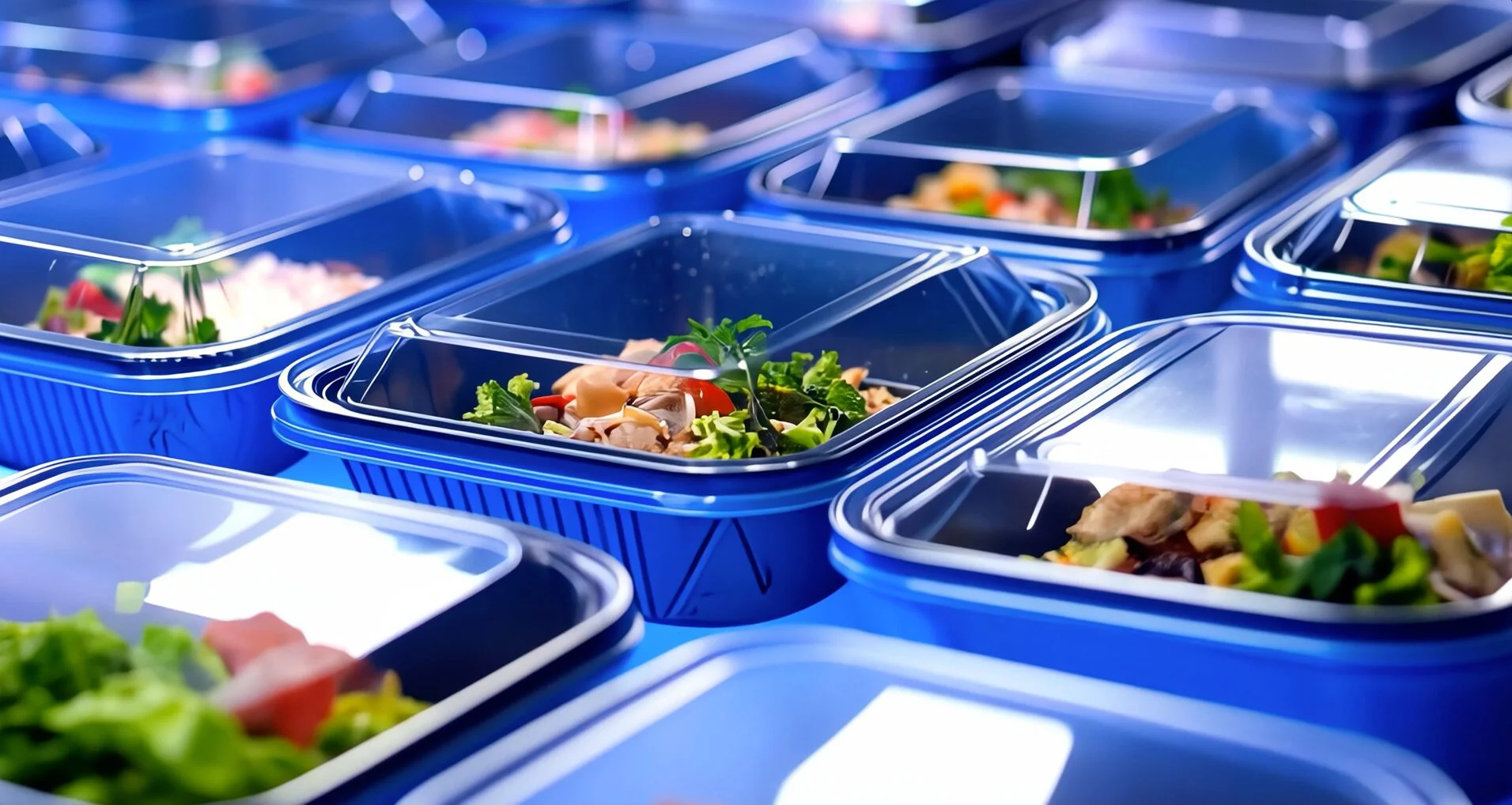
The decision between chilled and frozen storage represents one of the most consequential choices in temperature-controlled logistics, impacting everything from product quality and shelf life to operational costs and market opportunities. Understanding the nuanced differences between these storage modes enables informed decisions that balance product integrity, economic viability, and risk management.
Understanding Temperature Zones
Temperature-controlled warehousing operates across distinct zones, each serving specific product requirements and regulatory mandates. The distinction between chilled and frozen extends beyond simple temperature differences to encompass fundamental variations in infrastructure, operations, and economics.
Chilled storage typically maintains temperatures between 0°C and 5°C, though specific requirements vary by product category. Fresh produce might tolerate 5°C to 8°C, whilst dairy products demand strict 0°C to 4°C control. This temperature range preserves product quality whilst maintaining cellular structure and nutritional value. Compare chilled and frozen storage requirements to understand which suits your products best.
Frozen storage operates at -18°C or below, with some specialised applications requiring -25°C or even -40°C for certain seafood or pharmaceutical products. These temperatures halt bacterial growth and enzymatic activity, extending shelf life from days or weeks to months or years. However, freezing fundamentally alters product structure through ice crystal formation, making it unsuitable for many fresh products.
The transition zone between chilled and frozen, sometimes called “super-chilled” (-2°C to 0°C), offers interesting possibilities for extending fresh product life without freezing. This zone requires precise control as small fluctuations can trigger unwanted freezing or bacterial growth.
Infrastructure and Equipment Requirements
The physical infrastructure demands for chilled versus frozen warehousing differ dramatically, affecting both capital investment and operational complexity.
Construction and Insulation
Frozen warehouses require substantially more robust construction than chilled facilities. Insulation thickness for frozen storage typically reaches 150-200mm compared to 80-100mm for chilled, using high-performance materials like polyurethane or polystyrene panels. This additional insulation not only costs more initially but also reduces usable warehouse volume for given building footprints.
Foundation requirements for frozen storage include sophisticated frost protection systems. Sub-floor heating prevents ground freezing that could cause structural damage through frost heave. These systems operate continuously, adding complexity and energy consumption even during maintenance periods. Chilled warehouses rarely require such elaborate ground protection except in extreme climates.
Vapour barriers become critical in frozen warehouses where temperature differentials create powerful moisture drives. Inadequate vapour control leads to ice accumulation within insulation, degrading performance and potentially causing structural damage. Chilled and frozen transportation facilities must maintain similar standards to preserve product integrity during transfer operations.
Refrigeration Systems
The refrigeration capacity required for frozen storage exceeds chilled by factors of three to five, depending on ambient conditions and operational patterns.
Key differences in refrigeration requirements:
- Compressor capacity for frozen applications typically doubles that needed for chilled storage
- Evaporator coil design must prevent ice buildup whilst maintaining air circulation
- Defrost systems become essential for frozen storage, requiring careful scheduling to maintain temperatures
- Backup systems gain critical importance as frozen product loss carries higher stakes
- Energy recovery opportunities differ, with frozen systems offering less useful waste heat
Modern refrigeration systems increasingly use natural refrigerants like CO₂ or ammonia rather than synthetic HFCs. These systems align with environmental regulations whilst delivering operational benefits, though they require specialised expertise for storage and fulfilment operations.
Operating Cost Analysis
The economic implications of choosing between chilled and frozen storage extend far beyond simple temperature differences.
Energy Consumption Patterns
Energy represents the largest operating expense differential between chilled and frozen warehouses. Frozen facilities typically consume 2.5 to 3.5 times more energy per cubic metre than chilled equivalents, though actual consumption depends on numerous factors.
| Cost Factor | Chilled Storage (2-4°C) | Frozen Storage (-18°C) | Differential Impact |
| Energy consumption | 80-120 kWh/m³/year | 200-350 kWh/m³/year | 2.5-3.5x higher |
| Maintenance costs | £8-12/m³/year | £15-25/m³/year | 2-3x higher |
| Labour efficiency | 100% baseline | 60-70% of chilled | 30-40% productivity loss |
| Equipment lifespan | 15-20 years | 10-15 years | 25-30% shorter |
| Insurance premiums | Standard rates | 15-25% premium | Risk-adjusted increases |
| Product shrinkage | 0.5-1% monthly | 0.1-0.2% monthly | Lower loss but higher value |
| Racking density | 85-90% utilisation | 80-85% utilisation | 5-10% capacity reduction |
Energy costs fluctuate with external temperatures, loading patterns, and door opening frequency. Frozen warehouses show greater sensitivity to operational disruptions, with door openings causing more significant temperature recovery demands. Overnight delivery operations benefit from off-peak energy rates but must balance savings against operational constraints.
Labour Productivity Impacts
Working conditions in frozen warehouses significantly impact labour productivity and costs. Employees require specialised clothing, frequent warming breaks, and rotate through positions more frequently than in chilled environments.
Productivity impacts manifest through:
- Pick rates declining 30-40% in frozen versus chilled environments
- Mandatory 20-minute warming breaks every 60-90 minutes of frozen exposure
- Higher absenteeism and turnover rates increasing recruitment and training costs
- Additional safety equipment and procedures slowing operations
- Reduced dexterity affecting accuracy and requiring simplified processes
These factors combine to increase labour costs per unit handled by 40-60% in frozen versus chilled operations. Multi-drop courier services from frozen facilities must factor in additional loading time and equipment requirements.
Product-Specific Considerations
The choice between chilled and frozen storage fundamentally depends on product characteristics, market requirements, and quality objectives.
Fresh Produce Dynamics
Fresh fruits and vegetables present complex storage decisions balancing shelf life extension against quality preservation. Most fresh produce suffers irreversible quality degradation through freezing, making chilled storage essential for maintaining fresh market appeal.
Respiration rates determine optimal storage temperatures. High-respiration products like berries and leafy greens benefit from temperatures just above freezing (0-2°C), whilst items like potatoes and citrus prefer slightly warmer conditions (4-8°C). Mixed storage complicates operations as ethylene production from certain fruits accelerates ripening in sensitive vegetables.
Modified atmosphere packaging (MAP) extends chilled storage life without freezing. By adjusting oxygen and carbon dioxide levels, MAP can double or triple shelf life whilst maintaining fresh characteristics. This technology particularly benefits food and beverage distribution where quality premiums justify additional packaging costs.
Protein Products
Meat, poultry, and seafood demonstrate clear storage mode divisions based on intended market and timeline.
Fresh proteins command premium prices but require strict chilled chain management with shelf lives measured in days. Temperature abuse rapidly accelerates spoilage, making consistent cold chain crucial. Chilled and frozen transportation becomes critical for maintaining quality from processor to consumer.
Frozen proteins sacrifice some textural quality but gain extended shelf life and market flexibility. Blast freezing minimises ice crystal formation, preserving more original texture than slow freezing. Individual quick freezing (IQF) enables portion control and reduces waste through selective thawing.
The economic decision often hinges on market distance and demand predictability. Export markets typically require frozen storage for shipping timelines, whilst local premium markets support fresh/chilled premiums.
Pharmaceutical Products
Temperature-controlled pharmaceutical storage demands absolute precision with zero tolerance for excursions. The choice between chilled and frozen depends entirely on product stability profiles determined through extensive testing.
Vaccines demonstrate the extremes of pharmaceutical storage requirements:
- Standard vaccines (2-8°C): Most routine vaccines require consistent chilled storage
- Frozen vaccines (-15 to -25°C): Varicella and MMRV vaccines need standard frozen storage
- Ultra-cold vaccines (-60 to -80°C): mRNA vaccines demand specialised ultra-low freezers
- Lyophilised products: Freeze-dried formulations enable ambient storage after processing
- Temperature-stable formulations: New technologies expand storage flexibility
Medical and pharmaceutical logistics providers must maintain validated storage conditions with redundant monitoring and alarm systems. Deviation management procedures ensure product disposition decisions protect patient safety whilst minimising unnecessary destruction.
Risk Assessment Framework
Comprehensive risk evaluation encompasses product integrity, operational resilience, and financial exposure across storage modes.
Product Quality Risks
Quality degradation mechanisms differ fundamentally between chilled and frozen storage, requiring tailored risk management approaches.
Chilled storage risks include:
- Microbiological growth accelerating near temperature limits
- Enzymatic deterioration continuing albeit slowly
- Moisture loss through evaporation affecting weight and appearance
- Cross-contamination between products in shared airspace
- Ethylene accumulation triggering premature ripening
Frozen storage risks encompass:
- Freezer burn from moisture sublimation degrading surface quality
- Ice crystal growth during temperature fluctuations damaging cellular structure
- Oxidative rancidity in fatty products despite low temperatures
- Protein denaturation affecting texture and functionality
- Vitamin degradation continuing slowly even when frozen
Risk mitigation strategies must align with storage mode. Chilled storage emphasises rapid turnover and strict FIFO management, whilst frozen storage focuses on temperature stability and protective packaging.
Operational Resilience
System failures impact chilled and frozen storage differently, with recovery windows and options varying dramatically.
Equipment failure scenarios reveal critical differences. Chilled warehouse refrigeration failures provide 4-8 hours before product temperatures exceed limits, enabling repair attempts or product relocation. Frozen warehouse failures offer only 2-4 hours before temperature rise begins affecting quality, demanding immediate response. Contract distribution agreements should specify contingency procedures for temperature excursions.
Power outage impacts follow similar patterns with frozen storage showing greater vulnerability. Backup generators become essential for frozen facilities whilst chilled operations might survive brief interruptions. The cost and complexity of backup power systems scaled for frozen warehouses significantly exceed chilled requirements.
Business continuity planning must account for storage mode vulnerabilities. Frozen operations require pre-arranged backup storage agreements and rapid deployment transportation. Chilled operations benefit from greater flexibility in emergency relocations to standard warehouses with temporary cooling.
Technology and Monitoring Systems
Advanced monitoring and control systems prove essential for managing temperature-controlled storage risks whilst optimising operations.
Sensor Networks
Comprehensive temperature monitoring extends beyond simple ambient readings to encompass product-level intelligence.
Modern sensor deployments include:
- Ambient sensors throughout storage zones tracking spatial variations
- Product probe sensors monitoring core temperatures in representative samples
- Door sensors correlating opening patterns with temperature fluctuations
- Humidity sensors preventing condensation and frost formation
- Airflow sensors ensuring proper circulation patterns
Wireless sensor networks enable flexible deployment without infrastructure modifications. Battery-powered sensors with multi-year life reduce maintenance whilst providing granular visibility. Storage and fulfilment operations leverage this data for optimal product placement and rotation strategies.
Data analytics platforms transform sensor streams into actionable intelligence. Machine learning algorithms predict equipment failures before they occur, whilst anomaly detection identifies process improvements. Real-time dashboards provide operations teams with immediate visibility whilst automated reporting demonstrates compliance.
Automation Opportunities
Automation potential varies between chilled and frozen warehouses based on technical constraints and economic justification.
Automated storage and retrieval systems (AS/RS) function effectively in chilled environments using standard components with minor modifications. Frozen applications require specialised components rated for low temperatures, increasing costs by 40-60%. Lubricants, sensors, and control systems must withstand extreme cold whilst maintaining reliability.
Robotic picking systems show similar patterns with chilled applications approaching ambient warehouse capabilities. Frozen environments challenge robotics through reduced battery life, component brittleness, and condensation during maintenance. However, the labour challenges of frozen warehouses create stronger automation justification despite higher implementation costs.
Retail and fashion operations increasingly demand automated solutions for seasonal inventory management. Chilled storage suits fresh food fashion trends whilst frozen enables extended season carryover, each requiring appropriate automation strategies.
Conversion and Flexibility Options
The ability to convert between storage modes or operate flexible temperature zones provides operational advantages but requires careful planning.
Convertible Facilities
Designing warehouses for temperature flexibility requires additional investment but provides market adaptability.
Key design considerations for convertibility:
- Insulation specifications meeting frozen requirements even if initially operating chilled
- Refrigeration systems with capacity for frozen operation and efficient turndown for chilled
- Racking systems accommodating different product densities and handling equipment
- Floor heating infrastructure preventing future frost heave if converting to frozen
- Electrical capacity supporting maximum potential refrigeration loads
The premium for convertible design typically adds 15-25% to chilled warehouse costs but proves valuable for uncertain market conditions. Same-day courier services benefit from flexible storage supporting varied product ranges.
Multi-Temperature Operations
Operating multiple temperature zones within single facilities offers customer convenience and operational efficiency.
Successful multi-temperature operations require sophisticated design including:
- Independent refrigeration systems preventing single points of failure
- Insulated partition walls maintaining zone separation
- Airlocks or rapid doors minimising temperature migration
- Separate loading areas preventing cross-contamination
- Integrated warehouse management systems coordinating operations
International delivery consolidation particularly benefits from multi-temperature capabilities, enabling efficient groupage services across temperature requirements.
Sustainability Implications
Environmental considerations increasingly influence storage mode decisions as organisations pursue net-zero commitments.
Carbon Footprint Comparison
The energy intensity difference between chilled and frozen storage translates directly into carbon emissions, though the full lifecycle analysis reveals nuanced trade-offs.
Direct emissions from frozen storage typically triple those from chilled operations based on energy consumption alone. However, reduced product waste in frozen storage can offset operational emissions when considered holistically. A product discarded due to chilled storage expiration wastes all embedded emissions from production and transport.
Refrigerant leakage presents another emission source, with frozen systems containing larger refrigerant charges and operating under higher pressures increasing leak potential. Natural refrigerants reduce global warming potential but require careful management for safety and efficiency.
Renewable energy integration offers greater benefits for energy-intensive frozen operations. Solar installations or power purchase agreements delivering zero-carbon electricity disproportionately benefit frozen warehouses. Freight distribution networks increasingly prioritise facilities with renewable energy credentials.
Waste Reduction Strategies
Storage mode selection significantly impacts waste generation throughout supply chains.
Frozen storage enables:
- Extended shelf life reducing time pressure and enabling better demand matching
- Bulk purchasing during seasonal availability reducing transport emissions
- Inventory buffering smoothing supply-demand imbalances
- Product standardisation through portion control and pre-processing
Chilled storage advantages include:
- Maintaining fresh product premiums reducing economic waste
- Enabling local sourcing with shorter supply chains
- Supporting circular economy through reduced packaging requirements
- Facilitating donation of near-expiry products to food banks
Future Trends and Innovations
Emerging technologies and changing market dynamics will reshape temperature-controlled storage economics and operations.
Phase change materials (PCMs) offer passive temperature buffering, reducing energy consumption and improving resilience. These materials absorb or release heat during phase transitions, maintaining stable temperatures despite external fluctuations. Integration into insulation panels or racking systems provides distributed thermal mass.
Magnetic refrigeration promises 30-40% efficiency improvements over vapour compression systems. Though currently limited to laboratory demonstrations, commercial applications may emerge within five years. The technology eliminates refrigerants whilst reducing moving parts and maintenance requirements.
Cryogenic storage using liquid nitrogen offers rapid freezing and ultra-low temperatures for premium products. While energy-intensive, the quality benefits for high-value items like sushi-grade tuna or speciality pharmaceuticals justify premium pricing. Marketing and events catering increasingly demands such premium frozen products.
Blockchain temperature tracking creates immutable records supporting premium positioning and regulatory compliance. Smart contracts could automatically adjust pricing based on storage conditions or trigger quality inspections after temperature events.
Decision Framework
Selecting between chilled and frozen storage requires systematic evaluation across multiple dimensions.
Essential evaluation criteria:
- Product characteristics: Freezing tolerance, quality impact, shelf life requirements
- Market dynamics: Customer preferences, premium potential, competition
- Supply chain structure: Lead times, demand variability, geographic scope
- Financial considerations: Capital availability, operating margins, risk tolerance
- Regulatory requirements: Food safety, pharmaceutical standards, import/export rules
- Sustainability goals: Carbon targets, waste reduction, circular economy alignment
- Operational capabilities: Technical expertise, labour availability, technology adoption
The decision rarely proves absolute – many businesses operate hybrid models with both chilled and frozen capabilities. Home and business removals of temperature-controlled businesses require careful planning to maintain appropriate storage throughout transitions.
Conclusion
The choice between chilled and frozen warehousing extends far beyond temperature settings to encompass fundamental business strategy decisions. Each mode offers distinct advantages and challenges that must align with product characteristics, market positioning, and operational capabilities.
Chilled storage suits businesses prioritising product quality, fresh positioning, and rapid turnover. The lower infrastructure and operating costs enable entry with limited capital, whilst labour productivity advantages support responsive operations. However, shortened shelf life creates pressure for efficient supply chain execution and accurate demand forecasting.
Frozen storage provides extended shelf life and market flexibility at the cost of higher infrastructure investment and operating expenses. The quality trade-offs acceptable for many products enable global distribution and seasonal smoothing. Automation potential partially offsets labour challenges whilst sustainability concerns demand careful energy management.
Success requires matching storage mode to business model rather than forcing products into inappropriate temperature zones. Regular reassessment ensures storage strategies evolve with market conditions, technology advances, and sustainability imperatives. The companies that thrive will be those that view temperature-controlled storage not as a constraint but as a strategic capability enabling market differentiation and operational excellence.